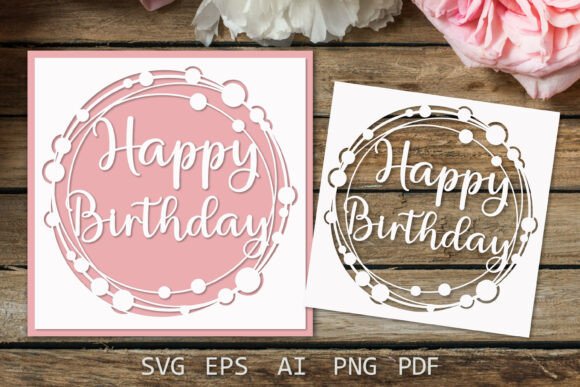
Enhancing Birthday Content with Greeting Cards Happy Birthday Card 3D SVG Designs
First Impressions: A Festive Touch for Birthday-Themed Editorial Content
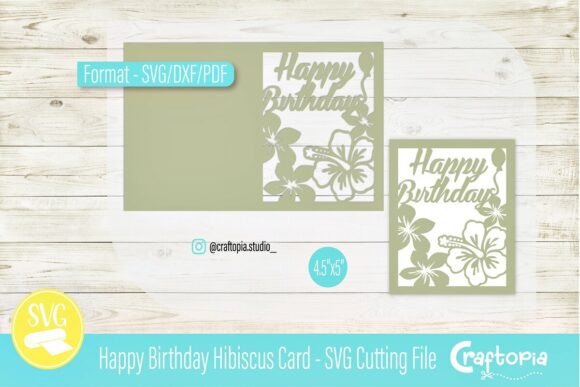
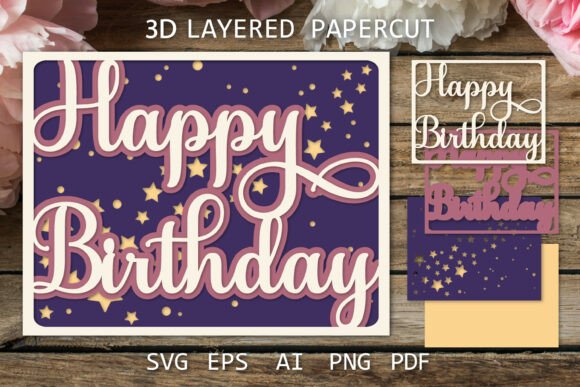
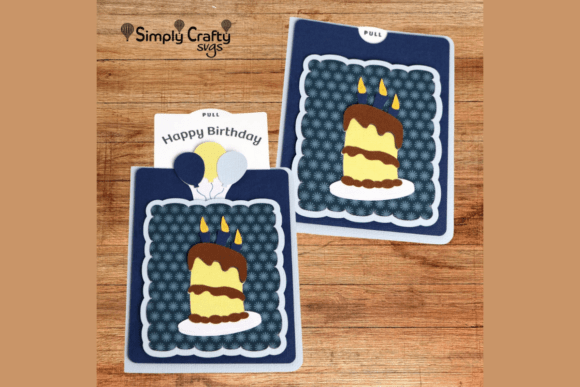
The Greeting Cards Happy Birthday Card 3D SVG design immediately caught my eye with its vibrant, layered aesthetic. As a blog designer and digital publisher, I’m always on the lookout for graphic design assets that can elevate content without overwhelming the message. This design brings a playful, celebratory mood—perfect for birthday-themed content across blogs, newsletters, and digital guides.
Its intricate paper-cutting style and dimensional depth suggest a creative, artistic approach, making it ideal for lifestyle, parenting, party planning, or crafting niches. The design feels both modern and decorative, balancing whimsy with polish. It’s not overly feminine or childish, which means it could work across a wide range of birthday-related content.
Real-World Publishing Uses: From Blog Graphics to Pinterest Pins
One of the strongest points of this design asset is its versatility. Here’s how I’ve started integrating it into different parts of my content workflow:
- Blog featured images: Used as a background accent or central visual, the Greeting Cards Happy Birthday Card SVG adds a festive layer to article headers without competing with text.
- Pinterest pins: The bold, colorful layout works well as a Pinterest pin template—drawing attention and reinforcing the theme of celebration.
- Newsletter headers: I’ve used it in email banners to introduce birthday-related guides or affiliate product roundups, enhancing visual appeal and engagement.
- Downloadable resources: As part of a birthday printables pack or a digital guide on party planning, this design fits naturally and professionally.
- Canva templates: It’s an excellent base for creating branded social media graphics or blog thumbnails for birthday-focused content creators.
How It Boosts Content Performance
Visual consistency and clarity are key in content marketing. The Greeting Cards Happy Birthday Card SVG contributes to stronger editorial performance in several ways:
- Stronger first impression: Its festive, layered design grabs attention instantly, especially in social media feeds or content hubs.
- Clear visual hierarchy: When layered with text or used as a header divider, it helps guide the reader’s eye through the content.
- Better click-through potential: On Pinterest or email subject lines, the design increases the visual appeal of the thumbnail or banner, encouraging more clicks.
- Consistent branding: For bloggers or small business owners focusing on birthday-related niches, using this design across digital products and social visuals builds a cohesive brand identity.
- Improved reader trust: Professionally designed assets like this one elevate the perceived quality of your content and brand.
Best Use Cases: Where This Design Asset Shines
This SVG works particularly well in the following content publishing scenarios:
- Hero images: Layered behind headlines or used as a full-width header graphic on birthday-related landing pages.
- Article thumbnails: Especially for gift guides, party ideas, or how-to content around birthdays.
- Editorial accents: As a decorative divider or sidebar graphic in blog posts or digital magazines.
- Content upgrades: In downloadable birthday checklists, printables, or digital guides.
- Social media previews: For Instagram Stories, Facebook posts, or Twitter cards promoting birthday-themed content.
Where to Use It Carefully
While the Greeting Cards Happy Birthday Card is visually engaging, it’s not a one-size-fits-all design asset. I’ve found that it needs to be used thoughtfully in the following contexts:
- Small mobile thumbnails: Due to its detailed layers, it may lose clarity when scaled down too small.
- Text-heavy blog images: Avoid using it as a background for long headlines or dense captions unless contrast is carefully adjusted.
- Low-contrast backgrounds: If your site uses light colors or white space, test how the design looks in those environments.
- Busy layouts: In already complex editorial designs, this asset could add visual clutter rather than clarity.
- Professional or corporate niches: For serious content like financial guides or medical resources, this design may feel out of place.
Publisher Notes: Practical Tips for Using Greeting Cards Happy Birthday Card
Before publishing with this graphic design asset, I always run through a few key tests to ensure it performs well across platforms:
- Test on desktop and mobile: Make sure the layers and details are visible and not pixelated on both screen sizes.
- Preview in blog layouts: Import it into your CMS or page builder to see how it interacts with headlines, text, and other design elements.
- Try with different fonts: Pair it with serif, sans-serif, script, and handwritten fonts to find the best visual harmony.
- Check contrast and readability: Ensure any text placed over the design is legible, especially if used in email banners or social media graphics.
- Test in black and white: Sometimes color-based designs lose impact when converted, so check grayscale versions for flexibility.
- Review file size: Since SVGs are vector-based and usually lightweight, confirm that the file loads quickly and doesn’t impact page speed.
- Verify licensing: Confirm that the design comes with a commercial license, especially if you're using it in affiliate marketing, digital products, or monetized content.
Final Thoughts: A Versatile Design for Birthday-Themed Content
The Greeting Cards Happy Birthday Card SVG is a strong addition to any content creator’s design toolkit—especially those who publish birthday-related guides, digital products, or affiliate content. Its festive, artistic aesthetic and scalable format make it a smart choice for enhancing blog graphics, social media visuals, and downloadable resources.
As a digital publisher, I appreciate how it supports a cohesive visual identity while remaining flexible enough for multiple use cases. Whether you're designing a birthday gift guide, a Pinterest pin template, or a downloadable printable, this design asset brings both style and function to your editorial workflow.