Flying Bunny Card SVG: A 3D Pop-Up Design for Playful Kids’ Content
First Impressions: A Whimsical, 3D-Driven Design for Young Audiences
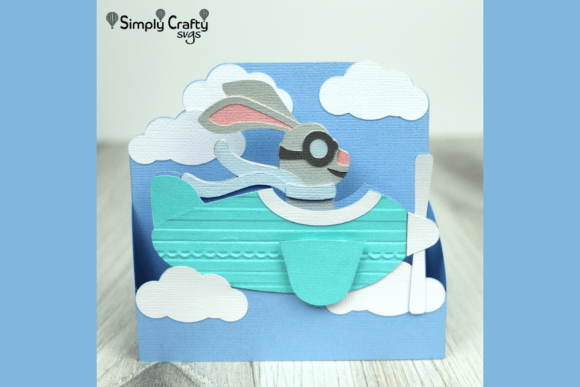
As a blog designer and digital publisher, the first thing that struck me about the Flying Bunny Card SVG was its vibrant, imaginative quality. It’s a 3D layered design that brings a sense of motion and depth to the page—perfect for content aimed at children or family-focused niches. The vintage airplane and daring Easter Bunny pilot create a playful, slightly nostalgic editorial mood that feels both creative and engaging.
This isn’t a minimalist or sleek design—it leans into a more decorative, artistic style that works especially well in seasonal content, educational materials for kids, or affiliate marketing pieces aimed at parents and educators. It’s not just a graphic design asset; it’s a storytelling tool that can help draw readers into a themed article, guide, or digital product.
Real-World Use: From Blog Graphics to Social Media Visuals
When I first considered how to integrate Flying Bunny Card SVG into a real publishing workflow, I thought about how it could elevate a seasonal post on Easter crafts or educational printables. It could easily serve as the centerpiece of a featured blog image, especially when paired with bold typography and a clean background. The 3D effect adds visual interest without overwhelming the layout, making it a smart choice for content upgrades or lead magnets like downloadable Easter activity sheets.
- Blog headers and article thumbnails
- Pinterest pins and social media posts
- Newsletter banners and email headers
- Canva templates for kids’ activity pages
- Downloadable printables and worksheets
- Digital guides for parenting or homeschooling blogs
Its layered structure allows for flexibility—designers can adjust the layers to highlight different elements depending on the platform. For example, in a Pinterest pin, the airplane could be the focal point to catch attention, while in a newsletter header, the bunny pilot might be emphasized for a more personable feel.
How It Boosts Content Performance
One of the biggest challenges in content marketing is standing out in a sea of sameness. The Flying Bunny Card SVG helps solve that by offering a strong visual hierarchy and a unique editorial tone. Here’s how it can elevate your content publishing strategy:
- Stronger First Impression: The whimsical design immediately communicates a lighthearted, creative tone that’s inviting to parents and children alike.
- Better Click-Through Rates: Especially on Pinterest or social media, the design’s motion and color contrast make it more clickable than generic stock images.
- Consistent Branding: If your blog or digital product has a playful, artistic identity, this SVG can become part of your signature look across blog graphics and downloadable resources.
- Improved Reader Trust: A professionally designed asset like this signals quality and attention to detail, which builds trust with your audience.
- Enhanced Visual Identity: Used across multiple content formats—like social media posts, lead magnets, and category thumbnails—it reinforces your brand’s visual language.
Where It Works Best
This design shines in visually-led formats where storytelling and emotional appeal matter. It’s ideal for:
- Hero images on seasonal landing pages
- Article thumbnails for kid-friendly blog posts
- Pinterest pins and social media previews
- Newsletter headers in family or education newsletters
- Content upgrades like printables or digital guides
- Category visuals on kid-focused blogs or websites
In these contexts, the Flying Bunny Card SVG becomes more than just decoration—it becomes part of the narrative, guiding the reader’s emotional response and enhancing the overall content experience.
Where to Use It Carefully
While the design is undeniably charming, it’s not a one-size-fits-all solution. It should be used thoughtfully in:
- Small mobile thumbnails where detail may get lost
- Text-heavy blog images that need a clean, minimal look
- Low-contrast backgrounds that make the SVG hard to read
- Busy layouts where it could compete with other design elements
- Professional or corporate content that requires a more serious tone
- Minimalist websites that rely on clean lines and simple visuals
It’s best reserved for content that benefits from a playful, artistic edge—like Easter guides, craft tutorials, or early learning resources.
Publisher’s Checklist: Practical Tips Before Use
Before publishing with Flying Bunny Card SVG, here are a few practical steps I recommend taking:
- Test on desktop and mobile screens to ensure clarity and impact.
- Preview as a thumbnail to see how it reads at small sizes.
- Place inside a real blog layout to evaluate how it interacts with text and other elements.
- Overlay with headline text to check readability and contrast.
- Try it in black and white to see if the design still holds visual weight.
- Pair it with different fonts—serif, sans-serif, script, or display—to test its design flexibility.
- Review file size for web performance and compress if needed.
- Verify commercial licensing before using it on monetized blogs, affiliate content, or digital products.
Taking these steps ensures the asset enhances your content rather than complicates it.
Final Thoughts: A Fun, Flexible SVG for Family and Kids’ Content
Overall, the Flying Bunny Card SVG is a standout graphic design asset for bloggers, educators, and small business owners targeting kids, parents, or educators. It’s more than just a 3D SVG—it’s a content marketing tool that brings personality and polish to digital guides, printable designs, and social media graphics.
If you're creating a digital product like an Easter activity pack, a parenting blog post, or a homeschool resource, this design can help your visuals stand out and perform better. Just remember to test it in context, pair it with clean typography, and ensure it aligns with your brand identity and content goals.