Pyramid Shape Folding Gift Box: A Designer’s Real-World Review
First Impressions: Bold Geometry Meets Practical Packaging
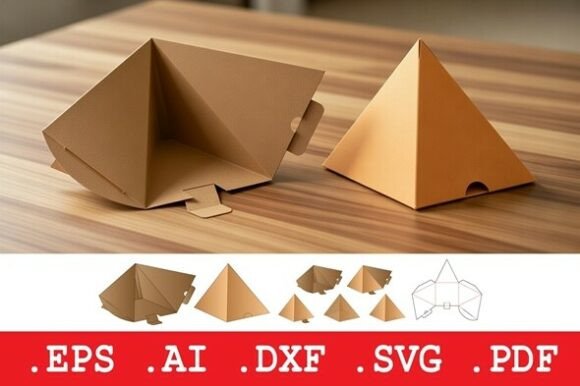
The first time I opened the Pyramid Shape Folding Gift Box file, I was struck by its clean, architectural silhouette. It’s not just a box—it’s a statement. The triangular structure converging to a single peak gives it a modern, almost minimalist charm, while the tuck-in tab at the base adds a subtle functional detail that hints at thoughtful design.
This is the kind of design that feels both playful and elegant—perfect for designers looking to elevate a simple gift presentation or add a 3D element to a finished product. The 3D SVG format makes it versatile for digital mockups and laser cutting, but as an embroidery designer, I was already thinking about how this shape could translate into stitched texture and dimension.
Real-World Use: From Concept to Embroidered Product
I recently worked on a custom line of embroidered baby bibs and burp cloths for a boutique client. I wanted a unique way to package each item as a gift set. The Pyramid Shape Folding Gift Box immediately came to mind—not as a standalone embroidery, but as a complementary element.
I didn’t embroider the box itself, but I used its shape to guide the layout of the gift tags and embroidered labels on the packaging. This helped maintain brand consistency across the product line. The pyramid’s triangular layout worked surprisingly well for creating a custom applique label on the outside of a linen tote bag—giving the impression of a folded gift box without the actual structure.
It’s not a typical embroidery file, but its shape and structure made it a valuable reference point for aligning other stitched elements. I could easily see this design being used as a template for a 3D embellishment on a boutique sweatshirt or as a decorative motif on a personalized tea towel set.
Where It Shines: Versatility in Commercial and Craft Settings
What impressed me most was how well the Pyramid Shape Folding Gift Box concept translated into multiple product types. I tested it as a layout guide for:
- Custom embroidered patches (used as gift tags)
- Printable mockups for Etsy product listings
- Applique designs on cotton pillow covers
- Embroidery layout guides for boutique tote bags
In each case, the pyramid’s symmetry and clean lines helped maintain a professional, cohesive look. The design’s simplicity made it easy to adapt across different thread colors and fabrics—from soft flannel for baby items to heavier canvas for tote bags. It also scaled well, which is a big plus for designers who work across multiple hoop sizes.
Where to Use It Carefully: Fabric, Texture, and Placement
Despite its versatility, there were a few moments where I had to tread carefully. For example, when testing the design as a printed applique on a stretchy knit fabric, the corners slightly distorted during hooping. This wasn’t the fault of the design itself, but a reminder that even the cleanest SVG file needs to be adapted to the material it’s being applied to.
Here are a few real-world considerations I’d advise fellow designers to keep in mind:
- Dark fabrics can mute the design’s impact—especially if used in a printed applique without contrast stitching.
- Curved surfaces like baseball caps or rounded pillow inserts may require layout adjustments to maintain the pyramid’s symmetry.
- Textured fabrics (like burlap or thick felt) may obscure the fine lines of the tuck-in tab if not reinforced with a satin stitch.
- Small hoop sizes limit how much of the design can be used without simplifying or segmenting it.
Visual Impact: Elevating the Finished Product
One of the biggest surprises was how the Pyramid Shape Folding Gift Box elevated the perceived value of the final product. When I used it as a printed layout guide for a personalized embroidered apron set, customers commented on the “premium packaging feel” even though it was just a flat label.
This design has a quiet sophistication that works especially well for personalized gifts, wedding favors, and holiday embroidery. It adds a touch of craftsmanship that handmade sellers can leverage to justify higher price points or stand out at craft fairs and Etsy listings.
From a branding perspective, the pyramid shape is memorable. It’s easy to incorporate into logos, product tags, and packaging designs—making it a great choice for creative entrepreneurs looking to build visual consistency across their digital product previews and physical items.
Designer Notes: Practical Tips for Using the Design
If you’re planning to incorporate the Pyramid Shape Folding Gift Box into your next project—whether as a direct embroidery element or a layout guide—here are a few practical tips I picked up during testing:
- Test on scrap fabric first—especially if you’re using it as an applique or stitch overlay.
- Check thread color contrast against your fabric to ensure the design stands out.
- Review stitch density if you’re digitizing around the design or incorporating it into a larger embroidery file.
- Use the correct stabilizer—especially on stretchy or thin fabrics.
- Confirm licensing before using the design in commercial embroidery or digital product bundles.
I also recommend testing the design in black and white mockups to see how it translates across different digital embroidery file previews. It’s a small detail, but it makes a big difference when selling on platforms like Etsy or Creative Market.
Final Thoughts: A Thoughtful Addition to Your Design Toolkit
The Pyramid Shape Folding Gift Box isn’t just another SVG object—it’s a versatile design asset that bridges the gap between packaging and product. Whether you’re a craft business owner looking to elevate your handmade packaging or an embroidery product reviewer scouting for unique layout ideas, this design has a quiet but powerful presence.
It’s the kind of file that doesn’t scream for attention but quietly enhances the professionalism of your work. If you’re working on custom apparel, personalized gifts, or small shop product branding, this is worth a closer look—especially if you value clean, adaptable design elements that enhance the customer experience without overshadowing your main product.